
Baby Rattlesnake Season in Tucson: What Pet Parents Need to Know
Living in Tucson and southern Arizona means sharing our beautiful desert home with some pretty incredible wildlife, including rattlesnakes.
As we head into September, you may start hearing more about “baby rattlesnake season.” While young rattlesnakes get a lot of attention this time of year, the most important takeaway for pet parents is simple: rattlesnakes are very active right now, and a little extra awareness can go a long way toward keeping our pets safe.
Arizona is home to 13 species of rattlesnakes, more than any other state, and in desert areas, they are most active from March through October. During hotter months, they're also more likely to be moving around at night.
So before you and your pup head out to enjoy the desert, here are a few things every Tucson pet parent should keep in mind.

Before Letting Your Dog Into the Yard
Even your own backyard deserves a quick look before your dog goes charging outside.
Take a moment to scan around bushes, rocks, patio furniture, walls and other areas where a snake could potentially take shelter. Keep yard debris cleaned up, bushes trimmed, and be especially mindful when it's dawn, dusk, and dark outside.
And yes, we know your dog has gone into that same yard 5,000 times without a problem. It only takes that one time.. and only a few extra seconds to check!
Keep Walks Close & Controlled
This is one of the many reasons we believe in keeping dogs on a short, controlled leash during Pura Vida walks.
Curious noses don't need to investigate every bush, hole or pile of rocks - no matter how fascinating it smells.
When walking your dog:
🐾 Stay on established paths whenever possible.
🐾 Don't allow dogs to stick their faces into holes or dense vegetation.
🐾 Pay attention around rocks, bushes and landscaping.
🐾 Use extra awareness when walking after dark.
🐾 Give any wildlife plenty of space.
If you encounter a rattlesnake, don't try to move, corner or interact with it. Back away and give it room. Rattlesnakes generally want to be left alone, too.
Don't Forget About Nighttime Potty Breaks
September in Tucson is still HOT, which means rattlesnakes may be active after the sun goes down.
Use a flashlight when taking your dog outside at night and look at the area before allowing them to explore. It's a tiny habit that can make a big difference.
Are Baby Rattlesnakes Really More Dangerous?
You've probably heard the warning: “Baby rattlesnakes are more dangerous because they don't know how to control their venom.” That's a popular desert myth, because baby rattlesnakes aren't automatically more venomous or more dangerous than adults.
What can make a young rattlesnake particularly easy to accidentally encounter is its size. Babies can be much harder to spot among rocks, landscaping, bushes and other desert surroundings - especially when you have a curious nose leading the way.
You also cannot rely on hearing that famous warning rattle. Newborn rattlesnakes are born with a small “pre-button” at the end of their tail and can't produce the familiar rattling sound until after they shed and develop additional rattle segments. Even adult rattlesnakes don't always rattle before an encounter.
So rather than worrying about whether a baby or adult is “more dangerous,” the best rule for pet parents is simple: Treat every rattlesnake, big or small, rattling or silent, with the same amount of caution. Give them plenty of space, never allow your pet to investigate, and remember that sometimes the snake you don't hear is the one you need to be watching for.
My Dog Has Rattlesnake Avoidance Training. Are They Safe?
Rattlesnake avoidance training can be an incredibly valuable additional layer of protection, but even a trained dog isn't completely protected from an encounter.
Many avoidance programs teach dogs to recognize rattlesnakes using sight, scent and sound. But real-life encounters don't always look exactly like training. A baby rattlesnake is much smaller and can be especially difficult to spot among rocks, gravel and landscaping. As we previously discussed, young rattlesnakes also can't produce the familiar warning rattle yet, and even adult rattlesnakes don't always rattle.
Young snakes may also present a smaller or different sensory picture than the adult rattlesnakes a dog encountered during training. That's one reason some avoidance programs specifically include juvenile rattlesnakes and a variety of sights, scents and scenarios in their training.
So even if your pup is rattlesnake avoidance trained, don't assume they'll recognize every snake before getting too close.
Think of avoidance training as an additional layer of protection, not an invisible force field. Continue checking yards, keeping dogs on controlled leashes, avoiding bushes and holes, using a flashlight at night and staying aware of your surroundings.
And if your avoidance-trained dog suddenly refuses to move toward an area or unexpectedly pulls away from something, pay attention! They may have noticed something you haven't.
What If You Think Your Pet Was Bitten?
A suspected rattlesnake bite is an emergency.
Don't wait to see if your pet “seems okay.” Contact a veterinarian or emergency veterinary hospital immediately and follow their instructions.
If you live in Southern Arizona, it's also a great idea to know before an emergency happens where your closest emergency veterinary hospital is and how you'll get there.
Those are the kinds of plans we hope you never need, but you'll be very glad to have if you do.
How Pura Vida Helps Keep Pets Safe
Desert safety is something we take seriously.
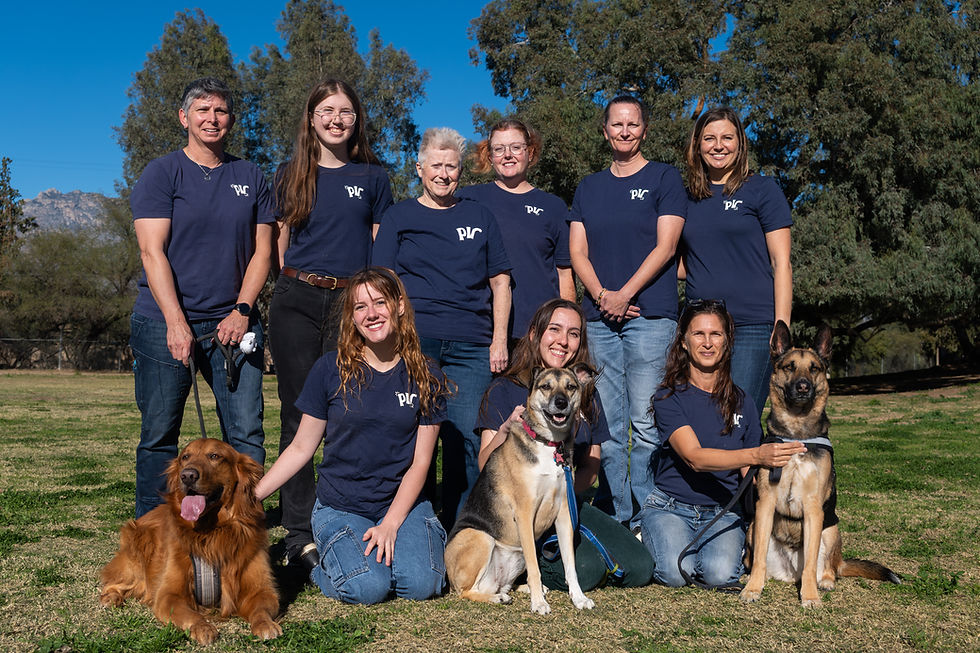
Our Pet Care Specialists are trained to stay aware of their surroundings, keep dogs under control on walks, avoid allowing pets to investigate bushes and holes, and watch for wildlife and other potential hazards.
We also believe safety starts before the leash is even clipped on. Whether we're heading into a backyard for a potty break or out into the neighborhood for a walk, awareness is part of caring for your pet.
Because when you've trusted us with someone you love, the little things aren't little to us.
We Love Our Wild Desert - From a Safe Distance
Rattlesnakes aren't out looking for us or our pets. They're an important part of the Arizona ecosystem, and the safest approach for everyone - humans, pets AND snakes - is simply to give wildlife plenty of space.
So enjoy those beautiful Tucson sunsets, keep the leash short, grab the flashlight for nighttime potty breaks, and give that suspicious-looking bush a little extra room.
Our desert is wild, beautiful and one of a kind.
And with a little awareness, we can help our pets enjoy it safely right alongside us. 🐾🌵
Stay observant and safe out there! 💚


Comments